
Protect Your Home From Electrical Hazards
Electrical projects—whether small repairs, panel upgrades, or full home rewiring—require careful planning and safety awareness. Homeowners in Ontario often take on renovations or improvements without realizing the hidden risks that electrical systems can pose. Understanding how to protect your home from potential hazards is essential for keeping your property safe and ensuring your electrical system performs reliably. Visit our website for more information.
Understanding Common Electrical Hazards
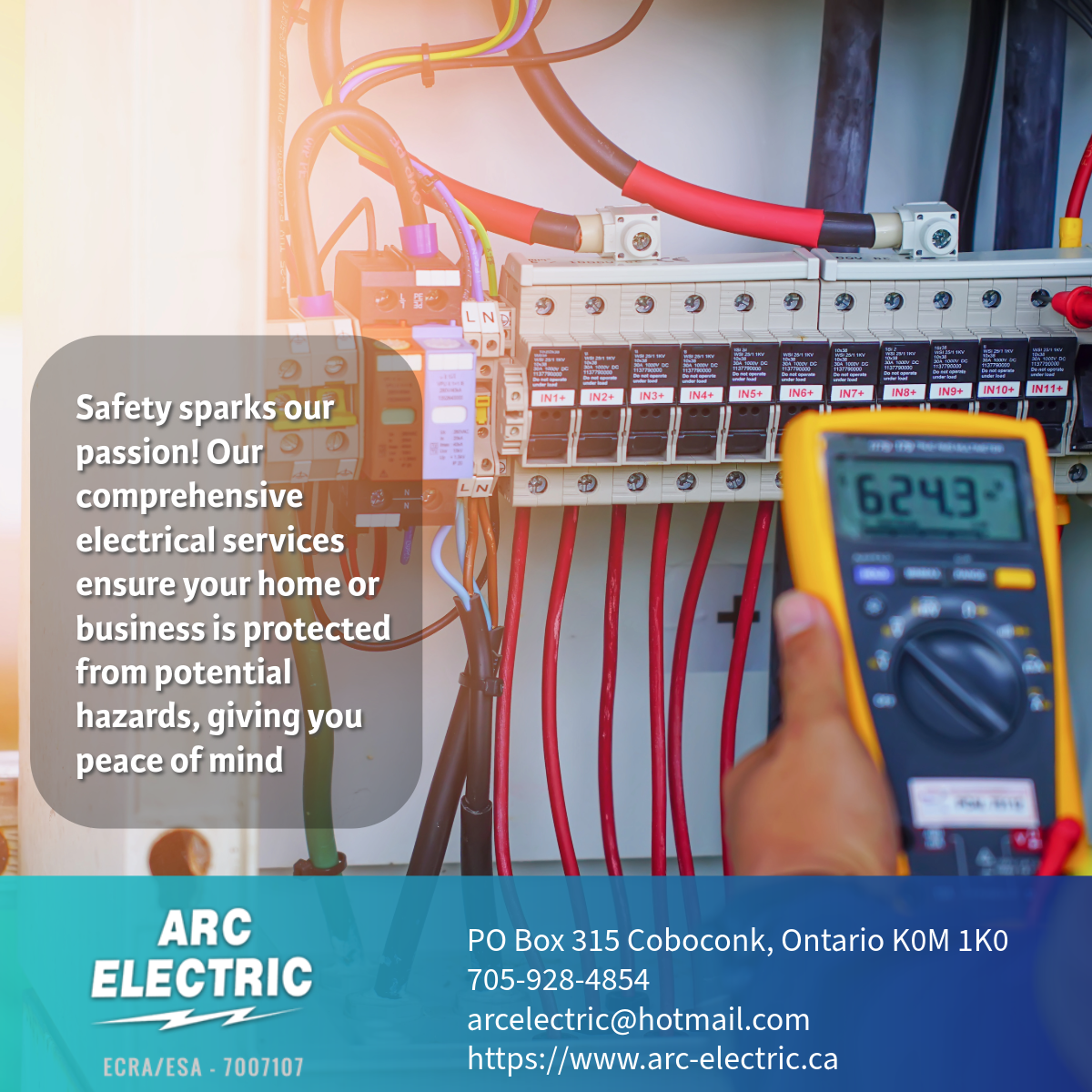 Electrical hazards can occur in any home, regardless of age or size. Many issues develop slowly over time, while others arise suddenly due to faulty wiring, overloaded circuits, or improper installation. Recognizing these risks early helps prevent fires, equipment damage, and personal injury. ARC Electric emphasizes the importance of safe electrical practices and professional workmanship to reduce these dangers.
Outdated or Damaged Wiring
Older homes often contain wiring that no longer meets modern safety standards. Over time, insulation can deteriorate, connections can loosen, and circuits may become overloaded as electrical demands increase. These issues can lead to overheating, sparking, or even electrical fires. Regular inspections help identify outdated wiring before it becomes a serious hazard.
Damaged wiring is another common concern. Rodents, moisture, and physical wear can compromise wire integrity. Even minor damage can disrupt electrical flow or expose live wires, increasing the risk of shock. Addressing wiring issues promptly ensures your home remains safe and compliant with current electrical codes.
Improper DIY Electrical Work
Many homeowners attempt DIY electrical repairs without fully understanding the risks involved. Incorrect wiring, loose connections, or improper grounding can create dangerous conditions that may not be immediately visible. While DIY projects can be rewarding, electrical work requires specialized knowledge and experience to ensure safety.
Professional electricians follow strict safety protocols and local building codes to ensure every installation is secure and reliable. Hiring a qualified expert helps prevent costly mistakes and reduces the likelihood of electrical hazards developing over time.
Essential Safety Practices for Electrical Projects
Whether you’re planning a renovation or addressing a specific electrical issue, following essential safety practices is crucial. These steps help protect your home, your family, and your investment. ARC Electric’s commitment to quality workmanship ensures that every project is completed with safety as the top priority.
Regular Electrical Inspections
Routine inspections are one of the most effective ways to identify potential hazards before they escalate. A licensed electrician can evaluate your electrical panel, wiring, outlets, and fixtures to ensure everything is functioning properly. Inspections are especially important for older homes or properties undergoing renovations.
During an inspection, professionals look for signs of wear, overheating, or improper installation. They also verify that your system meets current safety standards. Regular assessments help maintain a safe electrical environment and reduce the risk of unexpected failures.
Upgrading Electrical Panels
As technology advances, modern homes require more power than ever before. Older electrical panels may not be equipped to handle increased demand from appliances, electronics, and HVAC systems. An outdated panel can lead to tripped breakers, flickering lights, or overheating circuits.
Upgrading your electrical panel ensures your home has the capacity to support current and future electrical needs. A new panel improves safety, enhances performance, and reduces the risk of electrical fires caused by overloaded circuits. Professional installation ensures the upgrade is completed safely and efficiently.
Using Proper Safety Equipment
Safety equipment plays a vital role in preventing electrical hazards during any project. Tools such as voltage testers, insulated gloves, and circuit analyzers help ensure safe working conditions. Even simple precautions—like turning off power at the breaker before starting work—can prevent serious accidents.
Professionals rely on specialized equipment to diagnose issues accurately and perform repairs safely. Homeowners should avoid working on live circuits or attempting repairs without the proper tools. Prioritizing safety equipment reduces the risk of shock, burns, and other injuries.
Preventing Electrical Hazards in Everyday Life
Electrical safety isn’t limited to major projects—everyday habits also play a significant role in protecting your home. Simple changes in how you use appliances, outlets, and extension cords can greatly reduce the risk of accidents. ARC Electric encourages homeowners to stay proactive and informed about electrical safety.
Avoiding Overloaded Circuits
Plugging too many devices into a single outlet or power strip can overload a circuit, causing overheating or tripped breakers. Overloading is especially common in areas with high electrical usage, such as kitchens, home offices, and entertainment rooms. Distributing devices across multiple circuits helps prevent strain on your electrical system.
Using high-quality power strips with built-in surge protection adds an extra layer of safety. However, power strips should never be used as a permanent solution for insufficient outlets. If you frequently rely on extension cords or adapters, it may be time to install additional outlets or upgrade your electrical system.
Maintaining Appliances and Fixtures
Faulty appliances can pose significant electrical hazards. Frayed cords, loose plugs, or malfunctioning components can lead to shocks or fires. Regularly inspecting and maintaining your appliances helps ensure they operate safely and efficiently. Replacing damaged cords or outdated equipment reduces the risk of electrical accidents.
Light fixtures also require attention. Using bulbs with the correct wattage prevents overheating, while ensuring fixtures are securely mounted reduces the risk of electrical faults. Proper maintenance keeps your home safe and extends the lifespan of your electrical components.
Protecting Outdoor Electrical Systems
Outdoor electrical systems face unique challenges due to exposure to weather, moisture, and temperature changes. Ensuring that outdoor outlets, lighting, and wiring are properly rated for exterior use is essential. Ground fault circuit interrupter (GFCI) outlets provide added protection by shutting off power when moisture is detected.
Regularly inspecting outdoor fixtures helps identify damage caused by weather or wear. Keeping electrical components protected from the elements reduces the risk of corrosion, shorts, and other hazards. Professional installation ensures outdoor systems are safe and durable.
Electrical safety is an ongoing responsibility. By staying informed and proactive, homeowners can significantly reduce the risk of hazards and ensure their electrical systems remain reliable.
For expert electrical services in Coboconk and surrounding Ontario communities, visit our website: ARC Electric.