
Common Electrical Problems Found in Older Ontario Homes
Many Ontario homeowners appreciate the character, craftsmanship, and charm that come with older homes. While these properties often feature unique architectural details and solid construction, their electrical systems may not have been designed to meet today’s energy demands. Modern households rely on far more electrical devices, appliances, and technology than homes built several decades ago were originally intended to support.
As electrical systems age, components can deteriorate, become outdated, or simply struggle to keep up with the needs of modern living. Understanding the most common electrical problems found in older Ontario homes can help homeowners recognize potential warning signs before they become serious safety concerns. Whether you are purchasing an older property, planning renovations, or simply maintaining your home, identifying electrical issues early can help protect both your family and your investment.
Outdated Wiring and Electrical Infrastructure
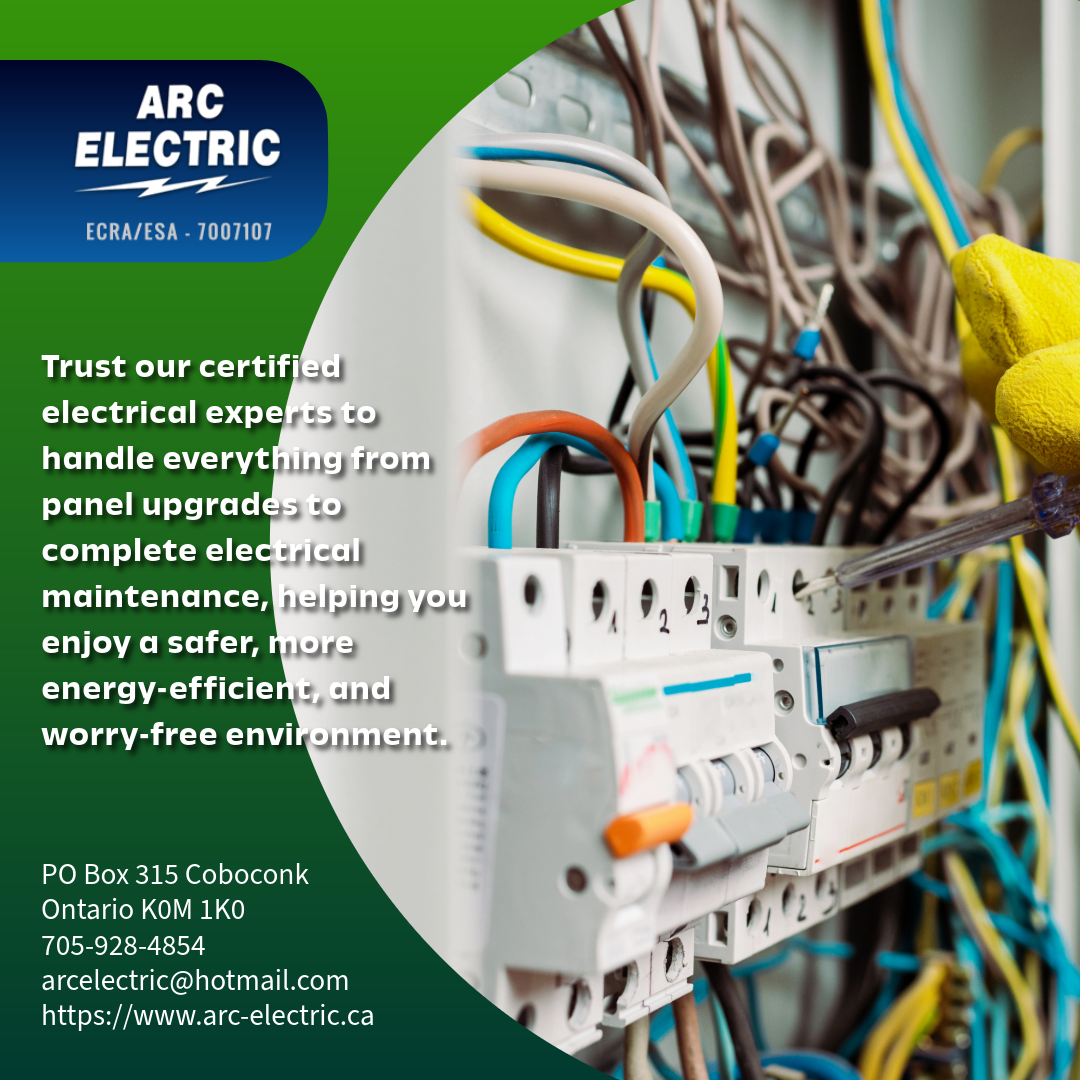 One of the most common electrical concerns in older homes involves aging wiring systems. While electrical materials are designed for long-term use, decades of wear and changing household demands can place considerable strain on older infrastructure. Homeowners should be aware of potential issues that may indicate electrical systems need professional attention.
Aging Wiring Can Create Safety Risks
Many homes built several decades ago were wired to support a much lower electrical load than what is required today. At the time, homes operated with fewer appliances, electronics, and power-hungry devices. As homeowners add modern conveniences over the years, the original wiring may become increasingly stressed.
Warning signs of wiring problems can include flickering lights, warm outlets, buzzing sounds, burning odors, or breakers that trip frequently. While these symptoms may seem minor at first, they can indicate underlying issues that require prompt evaluation by a qualified electrician.
Professional electrical inspections can help identify deteriorated wiring, improper modifications, and areas where upgrades may improve safety and overall system performance. Addressing these concerns early can help prevent more costly repairs in the future.
Insufficient Outlets for Modern Living
Older homes often have significantly fewer electrical outlets than newer properties. This limitation frequently leads homeowners to rely heavily on extension cords, power bars, and outlet adapters to accommodate televisions, computers, kitchen appliances, and charging devices.
While these temporary solutions may seem convenient, overloading outlets can increase the risk of electrical problems. Modern families typically require more accessible power sources throughout the home to safely support everyday activities.
Installing additional outlets in strategic locations can improve convenience while reducing the need for potentially unsafe electrical workarounds. Proper outlet placement can also support future renovations and changing household needs.
Electrical Panels That Can No Longer Meet Demand
The electrical panel serves as the heart of a home’s electrical system. It controls power distribution throughout the property and provides important protection against overloads and electrical faults. In many older Ontario homes, the original panel may no longer be capable of supporting modern electrical requirements.
Frequent Breaker Trips and Overloaded Circuits
One of the clearest indicators of an overburdened electrical system is the repeated tripping of circuit breakers. Breakers are designed to shut off power when circuits become overloaded, helping prevent electrical damage and safety hazards.
In older homes, homeowners may notice breakers tripping when several appliances are operating simultaneously. Air conditioners, microwaves, space heaters, home office equipment, and entertainment systems can place significant demands on aging electrical systems.
If breaker trips occur regularly, the issue should not be ignored. A professional assessment can determine whether circuit redistribution, panel upgrades, or other improvements are necessary to support current electrical usage safely.
Limited Capacity for Home Improvements
Many homeowners eventually invest in renovations that require additional electrical capacity. Kitchen remodels, finished basements, home offices, workshops, and new living spaces often introduce additional lighting, receptacles, and appliances.
An outdated electrical panel may not provide enough capacity for these upgrades. Attempting to add new circuits to an already overloaded panel can create ongoing reliability issues and potential safety concerns.
Upgrading an electrical panel not only supports immediate renovation goals but also helps prepare the property for future growth. It provides greater flexibility for evolving household needs while improving overall electrical performance.
Electrical Safety Issues That Homeowners Should Not Ignore
Some electrical issues may appear minor on the surface but can indicate larger underlying concerns. Recognizing these warning signs and acting quickly can help homeowners avoid unexpected failures and potentially dangerous situations.
Faulty Switches, Outlets, and Fixtures
Electrical switches, outlets, and lighting fixtures experience regular wear throughout their lifespan. Over time, connections can loosen, components may deteriorate, and performance can become less reliable.
Homeowners should pay attention to outlets that feel warm, switches that spark, lights that flicker unexpectedly, or fixtures that operate inconsistently. These symptoms often indicate the need for inspection and possible replacement.
Updating worn electrical components improves both safety and reliability while ensuring the home’s electrical system continues to function properly on a daily basis.
Lack of Modern Electrical Protection
Electrical safety standards have evolved significantly over the years. Many older homes lack protective devices commonly found in modern installations. These safety features help reduce risks associated with electrical faults in various parts of the home.
As electrical systems are upgraded, electricians can identify opportunities to enhance protection throughout the property. These improvements contribute to a safer living environment and help ensure the electrical system meets current expectations for reliability and performance.
For homeowners planning renovations or property improvements, updating safety features during electrical projects can be a smart long-term investment.
Older Ontario homes offer tremendous value and character, but their electrical systems often require careful attention. Aging wiring, limited outlets, overloaded panels, and outdated electrical components can all impact the safety and efficiency of a property. By recognizing common warning signs and investing in professional electrical evaluations when needed, homeowners can address potential issues before they become major problems.
Whether you are maintaining an existing home, purchasing an older property, or planning future upgrades, a reliable electrical system is essential for comfortable modern living. Professional electrical services can help ensure your home’s electrical infrastructure remains safe, dependable, and ready to support today’s demands while preparing for tomorrow’s needs.
Visit our website for more information:
https://www.arc-electric.ca/